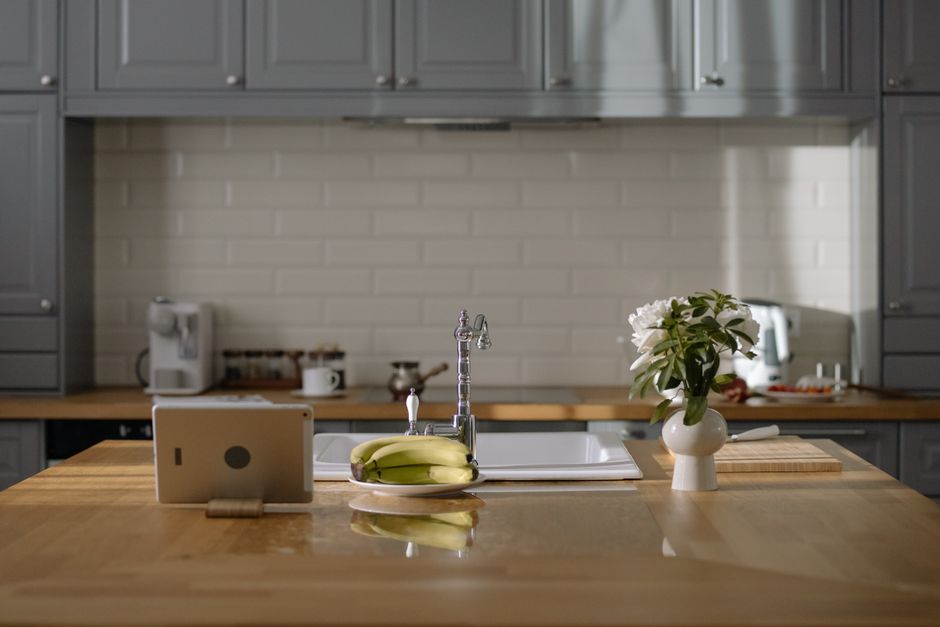
As the sun rises on another ordinary weekday, the hallway drop zone is cluttered with reminders of yesterday's chaos. A lunch container sits abandoned in the sink, its presence a nagging reminder of a rushed evening routine. The counter, littered with dirty dishes, leaves little room for the daily reset that could start the day on a smoother note. Standing there, it’s clear that the setup for the morning feels dependent on fleeting motivation rather than a solid plan.
Before heading out the door, the first step should be to set out breakfast items, but that simple action often gets lost in the shuffle. Instead of laying out the essentials the night before, a missed check on the kitchen counter leads to a frantic search for clean plates and utensils. This friction not only delays the morning routine but also sets a tone of disarray that can linger throughout the day. By adjusting the order of these small tasks, the path to staying motivated long term becomes clearer, transforming an overwhelming start into a manageable sequence.
The First Step That Gets Skipped
In the cramped hallway drop zone, the bag lies open, waiting for essentials to be tossed in. Yet, the cluttered kitchen counter steals focus. Dirty dishes from last night’s hurried dinner crowd the space, making it impossible to set up for a smooth morning. A lunch container still sits in the sink, a reminder of the chaos that unfolded the evening before. Without a clean surface, the daily reset feels more like a distant dream.
As the clock ticks closer to departure time, the protagonist realizes they forgot to set out breakfast items. Instead of a calm moment to prepare a bowl of oatmeal or grab a piece of fruit, they scramble through the pantry, searching for something quick. This frantic search not only wastes precious minutes but also leaves an unsettling feeling that carries into the workday. The simple act of laying out breakfast the night before could have transformed this rushed morning into a more organized start.
Before leaving the room, a quick check of the kitchen counter should be a non-negotiable step. If the counter was clear, they could have easily grabbed a plate and a spoon instead of facing the chaos. This small adjustment in the order of actions could significantly impact their motivation throughout the day. However, without that check, the morning routine becomes a race against time, setting a tone of disarray that lingers long after they step out the door.
Noticing the Slip
As the clock ticks closer to the start of the workday, the hallway drop zone becomes a chaotic landscape. Shoes are scattered, and bags are half-packed, but the real issue surfaces when they reach for the lunch container. Instead of finding it neatly placed in the designated spot, they discover it submerged in the sink, mingling with yesterday's dishes. This moment of realization sends a wave of stress through their routine.
The absence of that simple check—ensuring the lunch container was clean and ready to go—turns a straightforward task into a scramble. With time slipping away, they fumble through the clutter, feeling increasingly unprepared. This frantic search not only disrupts their flow but also saps the motivation needed to tackle the first work block. Each minute lost adds to the anxiety, creating an uphill battle before the day has even begun.
To counter this, a small habit could make a significant difference: setting aside a few moments each evening to clean and place the lunch container in a visible spot. Before leaving the room in the morning, a quick check of the sink can serve as a reminder to ensure that everything needed is in its place. This adjustment could smooth out the morning routine, allowing them to step into the day feeling organized rather than rushed. Without this simple shift, the day starts off on a shaky foundation, where motivation feels like a distant goal rather than an achievable state.
Why the Friction Happens
If this pattern keeps repeating, Everyday Life In The extends the idea without leaving the niche.
The kitchen counter, cluttered with dirty dishes, becomes an immediate barrier during the morning routine. As the sun rises on an ordinary weekday, the sight of the lunch container sitting in the sink creates an overwhelming sense of chaos. This mess not only distracts from preparing breakfast but also signals a lack of order, which can quickly spiral into a feeling of being unprepared for the day ahead.
Good intentions to start the day fresh often fall flat when faced with this clutter. The simple act of making breakfast turns into a scramble to clear space, leading to frustration rather than focus. A small adjustment, like setting aside five minutes each evening to wash the dishes and place the lunch container on the counter, can alleviate this friction. Before heading out the door, a quick check of the counter can confirm that everything needed is ready to go. Without this small habit in place, mornings become a battleground of chaos, making it harder to maintain motivation and leaving a lingering sense of overwhelm.
A Better Order for the Same Five Minutes
This same friction shows up again in Daily Routines Real Life, especially when the day tightens unexpectedly.
The kitchen counter often becomes a cluttered battlefield by morning, especially when the lunch container is still sitting in the sink. This visual chaos can create a sense of disorder that weighs heavily on the mind, making it difficult to focus on the day ahead. However, a simple adjustment in the sequence of evening tasks can significantly improve the morning routine. By setting out breakfast items the night before, you can eliminate the scramble that typically accompanies breakfast preparation.
Imagine this: the night before, after finishing dinner, take a moment to clear the counter. Wash the lunch container and place it directly into your bag, ensuring it's ready for the next day. Then, gather your breakfast essentials—like a bowl, spoon, and any ingredients you need—and set them out on the counter. This small shift in order not only makes breakfast more accessible but also creates a visual cue that signals readiness for the day. In the morning, all you need to do is grab the items and start without the added stress of searching through cabinets or dealing with dirty dishes.
Before leaving the room in the morning, do a quick check of the counter. Confirm that everything you need for breakfast is laid out and that your bag is packed with the lunch container. This simple routine can transform a chaotic start into a streamlined process, allowing for a smoother transition into the first work block. The tradeoff is clear: a few minutes spent organizing the night before sets a positive tone for the day, making it easier to stay motivated long term.
What to Check Before the Phone Takes Over
As you step into the hallway drop zone, the sight of dirty dishes piled in the sink can be a stark reminder of yesterday’s chaos. This clutter not only takes up physical space but also mental energy, making it harder to focus on the tasks ahead. Before you grab your phone to check messages, take a moment to scan the counter where you plan to set your breakfast items. If you see the lunch container still sitting in the sink, it’s a clear signal that your morning routine needs a quick reset.
By laying out your breakfast essentials the night before—like your favorite cereal and a bowl—you create a visual cue that encourages you to engage with your morning routine. This small adjustment means that when you wake up, you can simply pour your cereal and grab a spoon without rummaging through cabinets or dealing with the frustration of a cluttered space. A quick check before leaving the room to ensure everything is in order allows you to start your day with a sense of accomplishment.
That moment of clarity, where you confirm the counter is clear and your bag is packed, sets a positive tone for the day. It transforms a potential scramble into a streamlined process, making the first work block feel less daunting. The tradeoff here is simple: investing a few minutes in organization the night before leads to a more focused morning, ultimately helping you stay motivated long term. The next time you find yourself in that hallway, remember to check not just for breakfast supplies but for the overall state of your space, as it can significantly impact your mindset as you begin your day.
As you navigate your weekday routine, consider how the order of your actions shapes your motivation. If you find yourself stumbling over dirty dishes or a cluttered counter, take a moment to set out your breakfast items the night before. This small adjustment not only clears your space but also sets a clear intention for your morning. When you wake up, instead of facing a chaotic kitchen, you’ll see a neatly arranged setup waiting for you.
Before leaving the room, make it a habit to do a quick check. Confirm that your bag is packed and that the counter is clear. This simple act of ensuring everything is in its place can shift your mindset, making the start of your first work block feel more manageable. The next time you pass through that hallway drop zone, take note: a little preparation the night before can significantly enhance your focus and motivation for the day ahead.