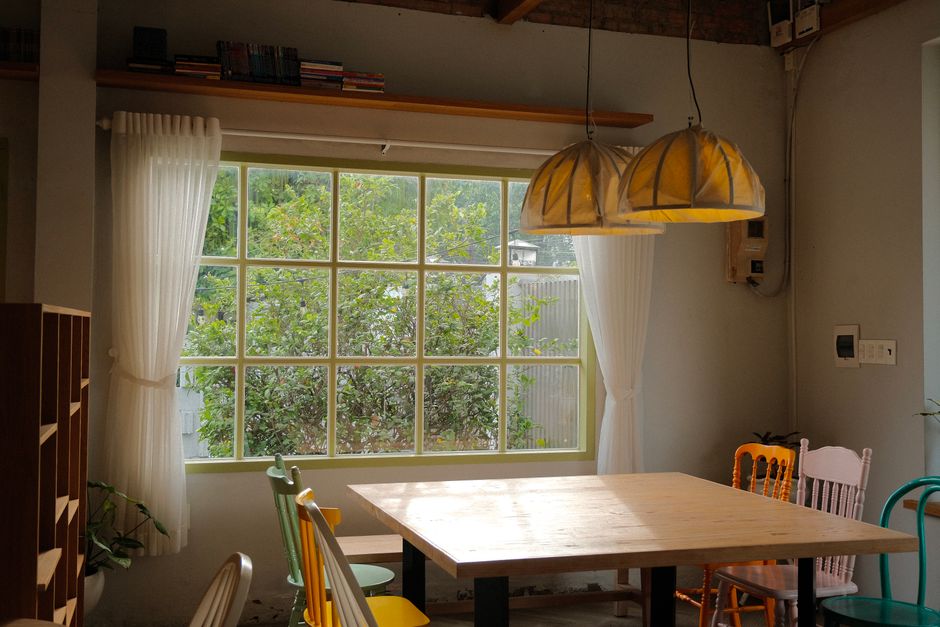
As the sun begins to set on a typical weekday, the kitchen is a whirlwind of activity. After a long day at work, a parent stands at the sink, staring at the lunch container that has been sitting there since morning. The evening routine is supposed to be straightforward: pack the kids’ bags, lay out clothes for tomorrow, and check the weather. But instead, the parent finds themselves still in work clothes, feeling the weight of the day pressing down as the clock ticks closer to bedtime.
In this moment, the simple act of checking the weather gets pushed aside, overshadowed by the chaos of dinner clean-up and the inevitable homework battles. Each small oversight, like forgetting to check the forecast or not laying out clothes early enough, creates a ripple effect that can derail motivation. As the evening stretches on, the parent realizes that these missed steps—like not packing the kids’ bags until the last minute—compound into a sense of overwhelm, making it harder to stay committed to long-term goals. The routine that should foster consistency instead becomes a source of friction, leaving the parent scrambling to salvage the evening.
The First Step That Gets Skipped
As the evening wears on, the parent stands at the kitchen counter, a half-empty lunch container still sitting in the sink, a reminder of the chaotic dinner clean-up. The clock ticks closer to bedtime, but the work clothes remain stubbornly on, weighing down the sense of urgency. In this moment, the simple act of packing the kids’ bags for school tomorrow feels like a distant thought, overshadowed by the immediate demands of the evening. Laying out tomorrow's work clothes on the bedside table—a small habit meant to streamline the morning—gets pushed aside, lost in the shuffle of homework and dinner.
Checking the weather becomes a missed step that compounds the friction. If the parent had taken just a moment before diving into the evening chaos to glance at the forecast, they could have anticipated a rainy morning and chosen the right jacket for the kids. Instead, the routine spirals into disarray; the bags aren’t packed until the last minute, and the clothes remain a jumble on the floor. This sequence of small oversights creates a sense of overwhelm, making it harder to stay committed to the long-term goal of a smooth morning. The intended evening routine, designed to foster consistency, instead becomes a source of stress, leaving the parent scrambling to salvage the night and prepare for the day ahead.
Hidden Steps in the Evening Routine
As the evening winds down, the bedside table becomes a cluttered hub of forgotten tasks. The lunch container, still sitting in the sink, signals a missed opportunity to streamline tomorrow's morning. This small oversight can snowball into a chaotic start, especially when the clock is ticking and the kids need to be ready for school.
- Check the weather before picking out clothes to avoid mismatched outfits.
- Ensure lunch containers are cleaned and packed instead of left in the sink.
- Lay out tomorrow's work clothes on the bedside table to save time in the morning.
Taking just a moment to check the weather can shift the entire evening routine. If it’s going to be chilly, the right jacket can be chosen, preventing last-minute scrambling. This simple act, done before diving into homework and dinner prep, can help maintain focus and commitment to the long-term goal of a smooth morning.
What Happens When the Friction Spreads
As the evening unfolds, the lingering presence of work clothes can become a weighty reminder of the day’s demands. When a parent stays in their work attire longer than intended, it often leads to a creeping fatigue that dulls motivation. This fatigue can easily disrupt the flow of the evening routine, causing a ripple effect that touches every task ahead.
When dinner prep gets delayed due to the distraction of unfinished work, the atmosphere shifts from calm to rushed. The kids, sensing the urgency, may become restless, further complicating the situation. A quick glance at the clock reveals how time slips away, making it difficult to maintain focus on the evening’s goals. As the kitchen fills with the scents of dinner, the parent might realize that the lunch container, still resting in the sink, has become a symbol of a routine that’s fallen behind.
To mitigate this, a small adjustment can be made: check the weather before diving into dinner prep. By doing this, the parent can avoid last-minute clothing changes for the next day, ensuring that the right outfits are laid out on the bedside table. This simple act can help regain control over the evening, allowing for a smoother transition into the next day. However, if the work clothes remain on too long, the cycle of fatigue and rushed tasks can become a familiar pattern, making it harder to stay motivated in the long term.
A Better Order for the Same Five Minutes
If this pattern keeps repeating, Everyday Life In The extends the idea without leaving the niche.
Before diving into dinner prep, take a moment to check the weather on your phone. This quick action informs your clothing choices for the next day, preventing last-minute outfit changes that can derail your evening routine. With the forecast in mind, you can lay out appropriate clothes on the bedside table, ensuring you’re ready for whatever the day brings.
After dinner, instead of letting the dishes pile up, grab your bag and pack it right away. This keeps the momentum going and minimizes the temptation to procrastinate. Place the lunch container directly into your bag, along with any snacks or items needed for the next day. By doing this right after the meal, you create a seamless transition from one task to the next, maintaining focus and energy.
Revising the order of these actions can make a significant difference. Start with checking the weather, then lay out clothes, and finally pack your bag immediately after dinner. This sequence not only streamlines your evening but also reinforces a sense of accomplishment. If the work clothes remain on too long, the cycle of fatigue can set in, making it harder to stay engaged with your routine. By implementing this small adjustment, you can reclaim those precious minutes and keep motivation intact for the long term.
What Changes Once the Sequence is Cleaner?
This same friction shows up again in Daily Routines Real Life, especially when the day tightens unexpectedly.
When the evening routine is refined, the first noticeable shift is a significant reduction in morning chaos. Packing the bag right after dinner, instead of waiting until bedtime, eliminates the frantic search for misplaced items in the morning. For example, if the lunch container is placed directly into the bag after the meal, it ensures that nothing is left behind. This small adjustment saves time and stress, creating a smoother start to the day.
Another benefit of a cleaner sequence is the boost in motivation to maintain the evening routine consistently. When each task flows seamlessly into the next, it reinforces a sense of accomplishment that carries over into the next day. For instance, checking the weather right after dinner allows for laying out appropriate clothes, which can be done while still in the kitchen. This way, the work clothes don’t linger longer than necessary, preventing the fatigue that often sets in when they stay on too long. The result is a more energized approach to the evening, making it easier to stick to the routine.
By implementing these changes, the evening routine transforms into a series of manageable tasks that feel less daunting. The key is to prioritize the order of actions, such as packing the bag first, which leads to a more organized and less stressful morning. This shift not only enhances the evening experience but also sets a positive tone for the following day.
As the evening winds down, the small details in your routine can make all the difference. When you check the weather before leaving the kitchen, you can easily grab the right jacket or shoes for the next day. This simple act prevents the scramble that often occurs in the morning when you realize you’re not prepared. If the lunch container is still sitting in the sink, it’s a clear sign that the evening routine needs a tweak to keep everything flowing smoothly.
Next time you’re packing the bag, remember to do it right after dinner. This keeps the focus on the tasks at hand and reduces the likelihood of feeling overwhelmed. By placing the bag by the door as a visual reminder, you’ll create a seamless transition into the next day. The goal is to keep the momentum going, ensuring that the motivation you build today carries into tomorrow.